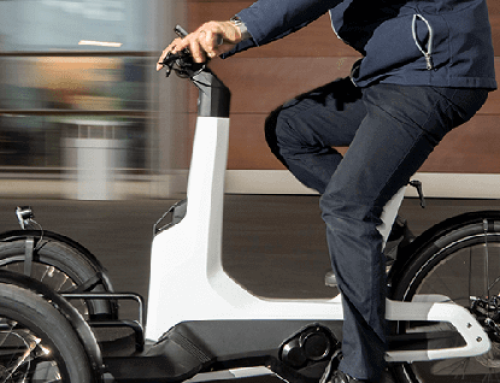
As the world faces growing environmental challenges and the need for sustainable alternatives becomes more urgent, one technology is rapidly gaining popularity across cities and communities: the electric bike (e-bike). With the global shift towards reducing carbon emissions, the rise of e-bikes is providing an eco-friendly, efficient, and cost-effective alternative to traditional modes of transport. In this article, we will explore the numerous advantages of electric bikes and how their widespread adoption benefits communities at large.
Advantages of Electric Bikes

1. Environmental Impact: A Cleaner, Greener Alternative
One of the most significant advantages of electric bikes is their positive impact on the environment. Traditional vehicles, especially those powered by fossil fuels, emit high levels of carbon dioxide (CO2) and other harmful pollutants. These emissions contribute significantly to climate change, air pollution, and a range of health issues for urban populations. E-bikes, however, produce zero emissions during operation, making them a much greener option for transportation.
By switching from conventional vehicles to e-bikes, individuals and businesses alike can reduce their carbon footprint, helping to mitigate the harmful effects of global warming. In cities, where transportation is a major source of pollution, replacing cars with electric bikes can significantly improve air quality, reduce noise pollution, and contribute to the fight against climate change.
2. Cost-Effectiveness: Save Money on Fuel and Maintenance
In addition to being environmentally friendly, electric bikes offer significant financial benefits. With fuel prices soaring globally, maintaining and operating a car or motorbike has become increasingly expensive. E-bikes, on the other hand, require only electricity to power their motors, which is considerably cheaper than gasoline or diesel.
Moreover, the maintenance costs for e-bikes are far lower than for traditional vehicles. A car or motorcycle typically incurs substantial maintenance costs annually, from oil changes to brake repairs, tire replacements, and more. E-bikes, in comparison, have fewer moving parts and require minimal maintenance. Basic upkeep usually involves checking tire pressure, maintaining the battery, and lubricating the chain, all of which are easy and inexpensive tasks.
3. Improved Mobility: Beat the Traffic
In crowded urban areas, traffic congestion is a constant challenge. Commuters often find themselves stuck in long queues of cars, wasting time, energy, and fuel. E-bikes provide a solution to this problem, allowing riders to navigate through traffic with ease.
Because e-bikes are smaller and more maneuverable than cars, riders can take advantage of bike lanes and shortcuts, significantly reducing their commute time. In fact, studies have shown that e-bikes can be up to 60% faster than cars in busy city centers. This makes e-bikes not only a sustainable alternative but also a highly efficient mode of transportation for daily commutes.
4. Health Benefits: A Better Way to Stay Active
While e-bikes provide electric assistance, they still require physical effort from the rider. This makes them a great way to stay active without overexerting oneself, particularly for individuals who may find traditional cycling too strenuous. E-bikes allow riders to control the level of assistance they need, making it possible to tailor the ride to their fitness level.
The low-impact nature of cycling is beneficial for cardiovascular health, muscle tone, and overall well-being. In addition, e-bikes can help individuals who might have health conditions, such as joint problems or respiratory issues, to engage in regular exercise without straining themselves. This makes e-bikes an inclusive form of transportation that can be enjoyed by a wide range of people.
Community Benefits of Electric Bikes
The rise of e-bikes does not only benefit individual riders; the broader community can also enjoy several advantages, particularly in urban areas where traffic, pollution, and health concerns are more pronounced.

1. Reduced Traffic Congestion
One of the most immediate benefits of e-bikes is the reduction in traffic congestion. In many cities, a significant portion of the traffic is caused by single-occupant vehicles — cars driven by individuals with no passengers. E-bikes, on the other hand, take up much less space on the road and can be used in dedicated bike lanes, freeing up space for other vehicles and reducing overall congestion.
As more people adopt e-bikes, the number of cars on the road decreases, leading to smoother traffic flow, less time spent in traffic jams, and less pollution from idling vehicles. This makes the streets safer and more efficient for everyone.
2. Improved Air Quality
Air pollution is a major concern in cities, particularly in densely populated areas where vehicles emit large amounts of harmful chemicals into the atmosphere. These pollutants contribute to a range of health issues, including respiratory diseases, heart problems, and even premature death. By replacing gas-powered vehicles with e-bikes, cities can significantly reduce the amount of harmful emissions released into the air.
E-bikes produce zero emissions during use, which helps to reduce air pollution and improve the overall air quality. As a result, residents of cities where e-bikes are widely adopted can enjoy cleaner, healthier air, leading to better public health outcomes and a higher quality of life.
3. Promoting a Healthier Lifestyle
In addition to their direct health benefits for riders, e-bikes also encourage a more active lifestyle within the community. By making cycling more accessible to people of all ages and fitness levels, e-bikes can encourage more individuals to incorporate regular physical activity into their daily routines.
The increased adoption of e-bikes could also lead to a shift in transportation habits, with more people choosing to cycle rather than drive short distances. This not only improves personal health but also reduces the need for cars, further alleviating traffic congestion and lowering emissions.
4. Noise Pollution Reduction
Traditional vehicles, particularly those powered by internal combustion engines, contribute to noise pollution, which is a significant problem in urban environments. The hum of car engines, honking horns, and the screeching of brakes can cause stress and disrupt daily life.
E-bikes, by contrast, are much quieter than traditional vehicles. The absence of a loud engine means less noise pollution, leading to quieter, more peaceful streets. This can have a positive impact on mental health and overall well-being, as excessive noise is linked to increased stress, sleep disturbances, and other health problems.
The Future of Electric Bikes
As the global community continues to face the challenges posed by climate change, the rise of electric bikes offers a promising solution. Their environmental, economic, and health benefits make them an attractive alternative to traditional vehicles, and their ability to reduce traffic congestion, improve air quality, and promote a healthier lifestyle makes them invaluable to urban communities.
With continued advancements in battery technology, infrastructure development, and public policy support, the future of e-bikes looks bright. As more cities embrace e-bikes as a viable transportation option, we can expect to see a shift toward cleaner, more sustainable urban environments where cycling is the preferred mode of transportation.
In conclusion, the rise of electric bikes represents more than just a transportation trend — it is a movement toward a greener, healthier, and more efficient future for all. By embracing this change, we can contribute to a more sustainable planet while enjoying the numerous benefits that e-bikes bring to our communities.
 The Rise of Electric Bikes: Advantages and Community Benefits