Cargo bikes are quickly becoming a popular choice for families, businesses, and individuals looking for an eco-friendly and versatile transportation solution. These specially designed bicycles are built to carry heavy loads, whether it’s children, groceries, or other cargo. In this article, we’ll explore the different types of cargo bikes, their advantages, and how to choose the best cargo bike for your needs.
What is a Cargo Bike?
A cargo bike is a bicycle specifically designed for carrying heavy loads. Unlike regular bicycles, cargo bikes have a larger frame and often feature additional cargo space in the form of baskets, boxes, or platforms. These bikes are ideal for transporting goods, running errands, and even carrying children, making them a practical choice for families or businesses.
While traditional bikes may struggle to haul large or heavy items, cargo bikes are engineered to handle these challenges. With specialized frames and the ability to carry extra weight, cargo bikes are gaining popularity as an alternative to cars for short trips and urban transportation.
Different Types of Cargo Bikes
Cargo bikes come in various designs, each with its own set of advantages and limitations. Below are the most common types of cargo bikes and the benefits they offer.
1. Front-Loading Cargo Bikes
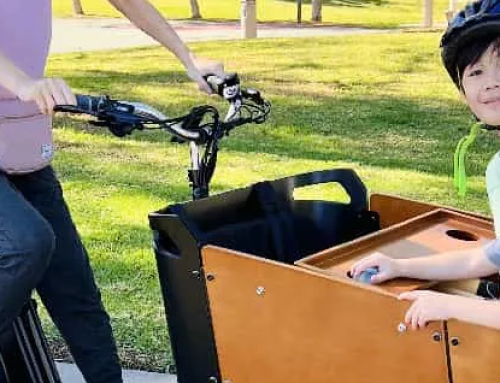
Front-loading cargo bikes, also known as “Long Johns,” feature a large cargo box located at the front of the bike, just ahead of the handlebars. This design allows for easy loading and unloading, and the rider can keep an eye on the cargo, including children, as they ride.
Advantages:
Easy Access: The front cargo area is easily accessible, making loading and unloading items quick and convenient.
Good Visibility: The rider has a clear view of the road ahead, as the cargo is located in front of them.
Ideal for Families: The design makes it easy to carry children or pets, keeping them close to the rider for safety.
Disadvantages:
Stability Issues: The front-heavy design may be less stable when carrying heavy or bulky loads, especially on uneven terrain.
Maneuverability: The large cargo area can make turning in tight spaces more difficult.
2. Long-Tail Cargo Bikes
Long-tail cargo bikes are characterized by an extended rear frame that provides extra cargo space. The rear of the bike can accommodate large loads, such as bags, boxes, or even a child’s seat. These bikes have a traditional two-wheel design but with a longer wheelbase for improved stability when carrying heavier items.
Advantages:
More Cargo Space: The extended rear frame allows for plenty of room for large items, making it perfect for hauling groceries, kids, or equipment.
Better Stability: The longer wheelbase provides a more stable ride when carrying heavy loads.
Easy to Ride: Long-tail bikes are easier to ride than three-wheeled options and are more agile in tight spaces.
Disadvantages:
Less Maneuverable in Tight Spaces: While more agile than front-loaders, long-tail bikes can still be challenging to navigate in crowded or tight areas.
Requires More Effort: Riding a long-tail cargo bike may be harder without electric assistance, especially when loaded with heavy cargo.
3. Tadpole Electric Cargo Bikes
Tadpole cargo bikes are three-wheeled bicycles with two front wheels and one rear wheel, designed for maximum stability and comfort. The rider sits behind the cargo box, which is located between the front wheels, creating a low center of gravity.
Advantages:
High Stability: The three-wheeled design provides excellent balance and stability, especially when carrying heavy loads or children.
Easy to Ride: The low center of gravity makes it easier to balance and ride, even for beginners.
Electric Assistance: Many tadpole cargo bikes come with electric motors, making it easier to pedal uphill or carry heavier loads.
Disadvantages:
Bulkier Design: Tadpole bikes are larger and heavier than traditional bicycles, which can make them harder to store and transport.
Larger Turning Radius: Due to their design, tadpole bikes have a wider turning radius, making it harder to maneuver in tight spaces.
4. Box Bikes (Bakfiets)
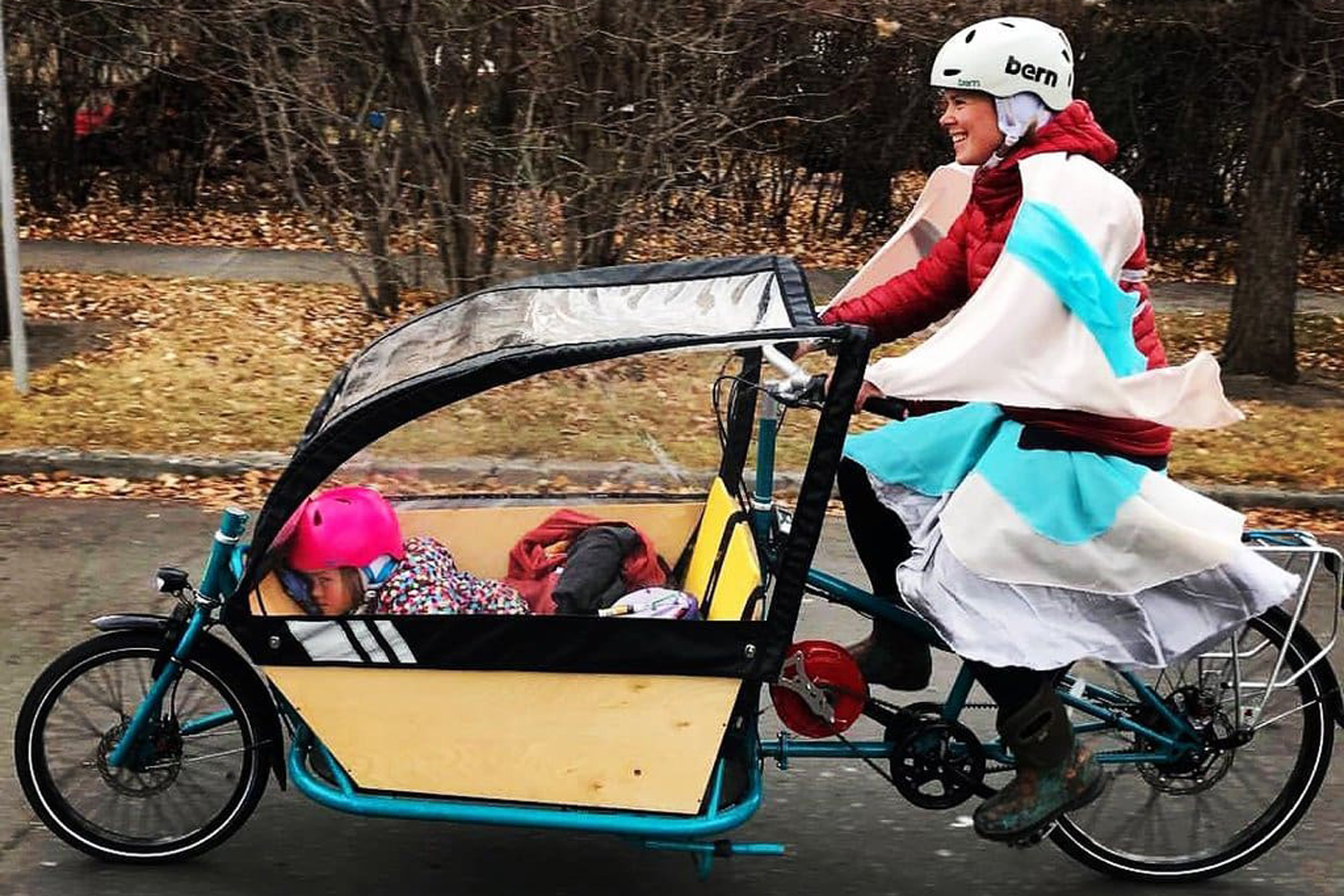
Box bikes, often called “bakfiets,” are another type of front-loading cargo bike that features an enclosed cargo box. This design offers ample protection for your cargo, making it ideal for transporting children or sensitive items.
Advantages:
Cargo Protection: The enclosed box protects your cargo from the elements, keeping it safe from rain or dirt.
Space for Multiple Passengers: The box can comfortably carry several children, pets, or a combination of both.
Great for Urban Areas: The design is perfect for city living, where you can carry both kids and groceries in a single trip.
Disadvantages:
Heavy and Bulky: Due to the large cargo box, these bikes can be quite heavy, which may make them harder to maneuver and store.
Limited Visibility: The large box can obstruct the rider’s view, which may be a safety concern in busy traffic.

Factors to Consider When Choosing a Cargo Bike
Selecting the right cargo bike depends on several factors, including the type of cargo you need to transport, your riding environment, and whether you prefer an electric or non-electric bike. Here are some key features to keep in mind when making your choice:
1. Load Capacity
Consider how much weight your cargo bike will need to carry. Some bikes are designed for heavier loads and larger cargo areas, while others are built for lighter, more manageable loads. Be sure to check the bike’s specifications for load capacity and ensure it meets your needs.
2. Stability and Maneuverability
If you plan on using the bike to carry children or large items, stability should be a top priority. Three-wheeled cargo bikes offer the highest stability, while two-wheeled models tend to be more maneuverable, particularly in tight spaces.
3. Electric Assistance
If you’ll be riding on hilly terrain or need to carry heavy loads, an electric cargo bike might be a good option. Electric motors help ease the effort of pedaling, making long trips and heavy loads more manageable.
4. Comfort and Safety Features
Look for bikes with comfortable seating for passengers and safety features such as seat belts or footrests for children. If you plan to ride in various weather conditions, a rain cover or weatherproof cargo box can make your trips more comfortable and practical.
5. Storage and Portability
Consider how easy it will be to store your cargo bike when not in use. Some models fold or have removable cargo boxes, making them easier to store in small spaces.
Cargo bikes offer a fantastic solution for families, businesses, and individuals who need to transport heavy loads in an eco-friendly and efficient way. With a variety of designs to choose from, including front-loading, long-tail, and electric cargo bikes, there is an option for every need. When choosing the best cargo bike for your situation, consider the amount of cargo space you need, the terrain you’ll be riding on, and any comfort and safety features that are important to you. By carefully evaluating these factors, you can find the perfect cargo bike to suit your lifestyle.