What is a Cargo Bike?
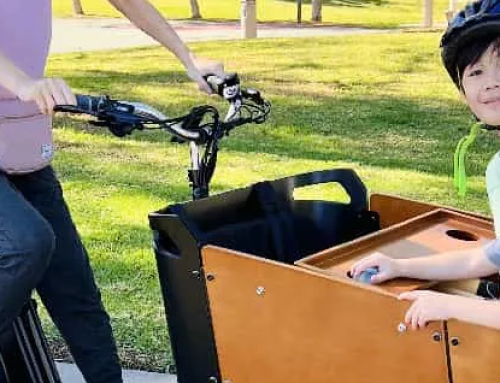
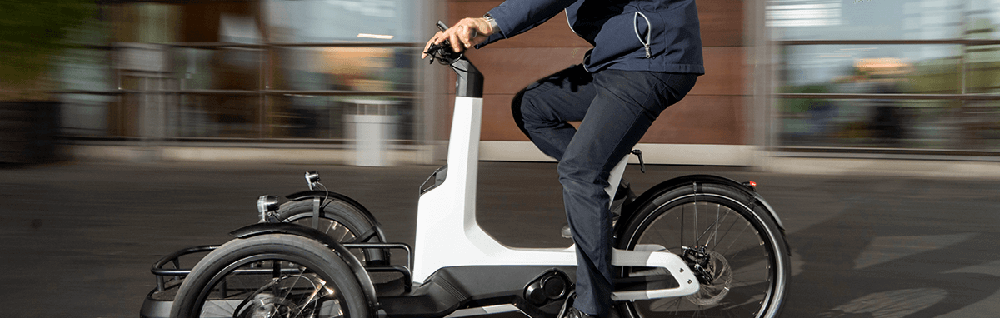
A cargo bike is a bicycle engineered to transport goods efficiently in cities. It replaces traditional delivery vehicles by integrating a cargo area—front, rear, or between wheels—to carry heavy loads. Designs vary from two-wheeled models to stable three- or four-wheeled versions with boxes or platforms.
Historically used worldwide, modern electric cargo bikes (e-cargo bikes) add motorized assistance. This lets riders move hundreds of kilograms effortlessly, making them ideal for commercial use. They suit riders of all fitness levels while maintaining maneuverability.
Key Designs:
Two-Wheelers: Agile, bike-like frames for lighter loads.
Three-Wheelers: Wider, stable builds for heavier cargo.
Four-Wheelers: Heavy-duty options for maximum capacity.
Long Johns: Extended frames with low cargo areas.
Box Bikes: Three-wheelers with large front storage.
Why Choose Cargo Bikes for Last-Mile Delivery?
Last-mile delivery—the final step to the customer—faces urban challenges like traffic and emissions. Cargo bikes solve these issues while offering unique benefits:
1. Meeting Climate Goals
Cities are banning combustion engines and enforcing sustainability rules. Last-mile logistics contribute 5% of supply chain emissions. Shifting 25% of van deliveries to cargo bikes could cut urban van traffic by 17% by 2030. E-cargo bikes emit 90% less CO₂ than diesel vans and 33% less than electric vans, aligning with net-zero targets.

2. Lower Costs
E-cargo bikes save money long-term:
Affordable Prices: cheaper than vans.
Reduced Expenses: No fuel costs, minimal maintenance, and no parking fees.
Subsidies: Governments often offer grants for green transport.
UK local authorities could save £660 million yearly by adopting cargo bikes.
3. Urban Efficiency
Cargo bikes excel in cities:
Speed: Deliveries are 60% faster using bike lanes.
Access: Navigate narrow streets and car-free zones.
Parking: Avoid time wasted on parking searches.
4. Industry Versatility
Multiple sectors benefit:
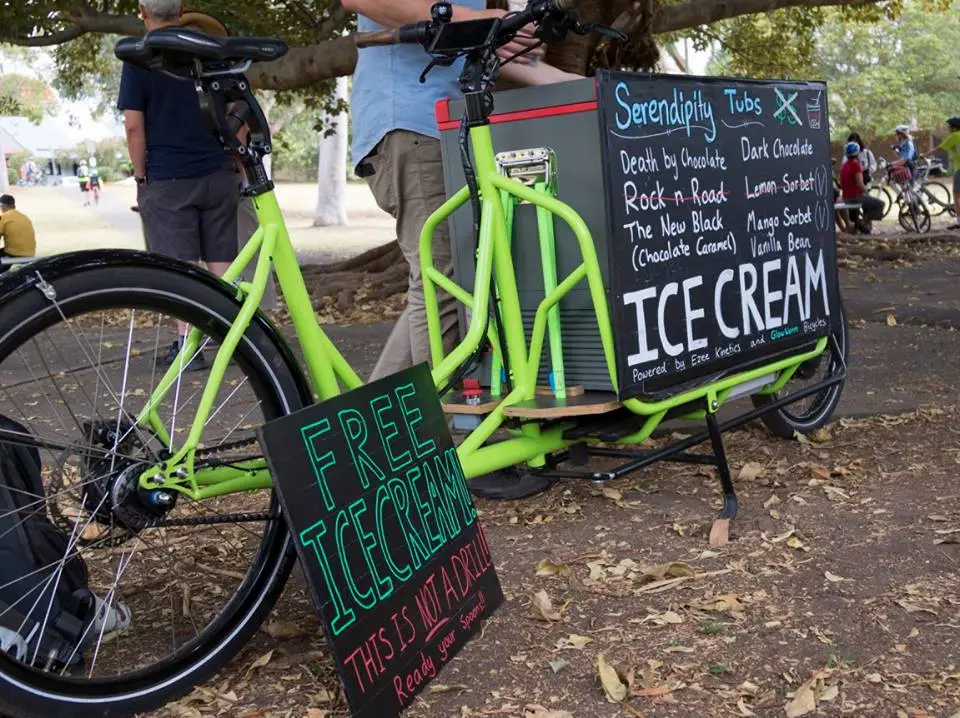
Retail/Food: Insulated boxes keep perishables fresh.
Logistics: Optimize routes in crowded areas.
Maintenance: Transport tools without parking hassles.
Events: Deliver supplies to busy venues.
5. Health and Brand Value
Employee Health: Electric assist reduces physical strain.
Community Impact: Quieter, cleaner operations improve cities.
Reputation: Shows innovation and eco-conscious values.
Addressing Capacity Myths
Cargo bikes often replace underused vans:
Partial Loads: Most van trips carry less than full capacity.
Strategic Mix: Use bikes for short, frequent routes and vans for bulkier hauls.
Implementing Cargo Bikes
Transition smoothly with these steps:
Analyze Needs: Study delivery routes and load sizes.
Select Models: Match bike types to cargo volume.
Use Software: Track performance via fleet management tools.
Train Teams: Ensure riders handle bikes safely.
The Road Ahead
As cities prioritize sustainability, cargo bikes will redefine last-mile logistics. They cut costs, emissions, and congestion while boosting delivery speed. Adopting them future-proofs businesses and supports cleaner, quieter urban living.
By integrating cargo bikes, companies align with global climate goals and build resilient, eco-friendly operations.
 Cargo Bike Sustainable Revolutionizing Last-Mile Urban Delivery