Cargo bikes are revolutionizing the way we transport goods and people, providing a sustainable, convenient alternative to cars for short trips around the city. Whether you’re picking up groceries, delivering parcels, or even transporting your kids, cargo bikes offer a practical solution with an eco-friendly twist. But what exactly is a cargo bike, and how do you ride it safely and efficiently? In this guide, we’ll explore everything you need to know to get started.
What is a Cargo Bike?
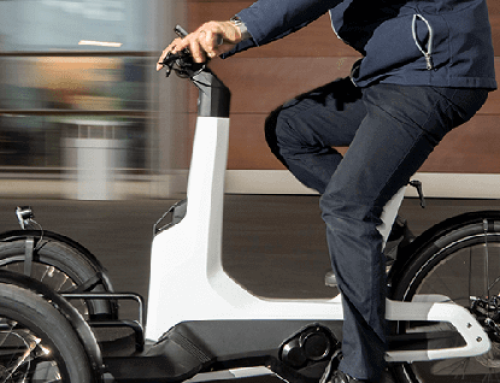
A cargo bike is a bicycle specifically designed to carry large loads, making it ideal for transporting goods, heavy items, or passengers. Unlike regular bicycles, cargo bikes come with a more robust frame and either a front or rear cargo area. These bikes typically feature either two or three wheels and can carry significantly heavier loads than standard bikes, with some capable of carrying up to 200 kg or more.
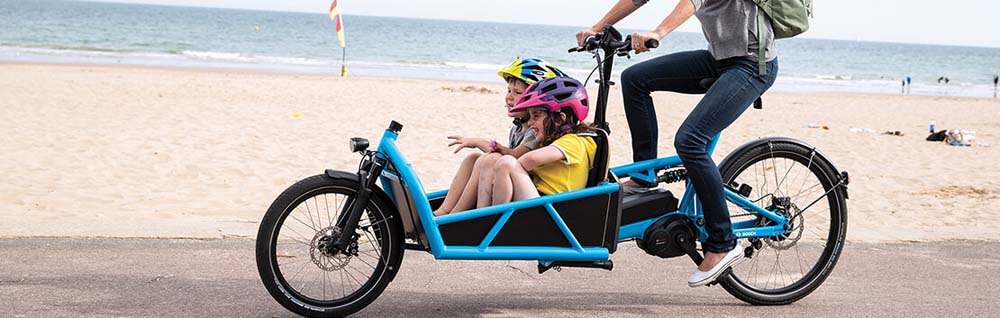
There are several types of cargo bikes, including long-johns, bakfiets, and tricycles. Long-johns have a long front section to hold heavy loads, while bakfiets are traditional Dutch-style bikes with a large box in front of the rider. Tricycles, on the other hand, offer extra stability with three wheels but can be more challenging to maneuver.
How to Ride a Cargo Bike
1. Getting Comfortable with the Bike
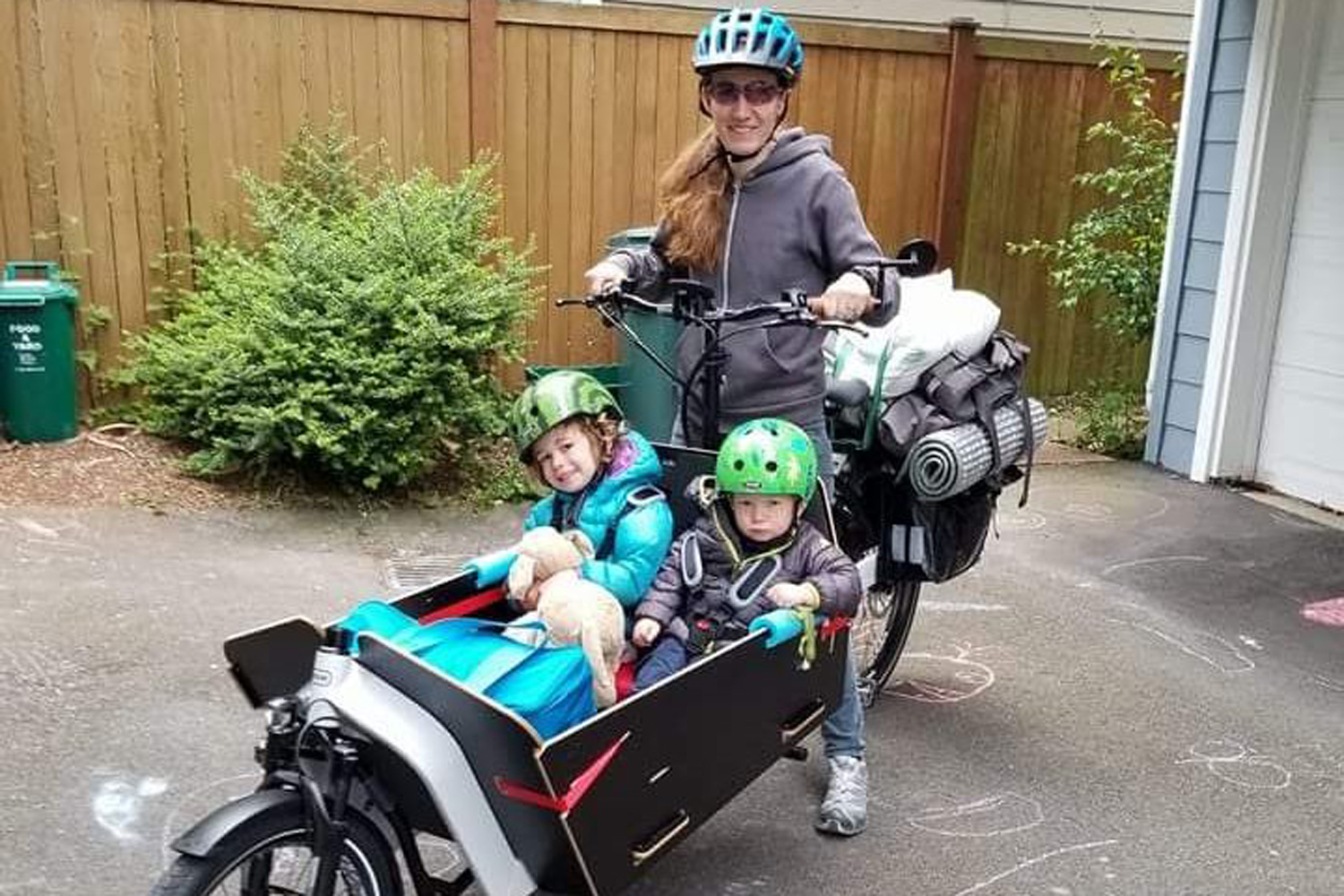
Riding a cargo bike isn’t too different from riding a regular bicycle, but it does require some adjustment. If you’ve never ridden a cargo bike before, the first step is simply to familiarize yourself with it. Depending on the type of cargo bike, you may need some time to adjust to the larger frame and heavier load capacity. For example, a two-wheeled long-john is easier to ride for most people since it handles much like a regular bike. However, three-wheeled cargo bikes have a learning curve due to their tilt mechanism.
Start by practicing in a safe space, such as an empty parking lot. Get comfortable with the steering, and learn how the bike reacts when you shift your weight. For three-wheeled models, pay attention to the tilt system and how the bike behaves when turning or braking. It might feel a little wobbly at first, but with a little practice, you’ll get the hang of it.
2. Understanding the Power of an E-Cargo Bike
Most modern cargo bikes come with an electric motor, which adds an extra level of power and convenience. If you’ve never ridden an e-bike before, it’s essential to get familiar with the motor’s support modes. Start by using the lowest mode and gradually increase the assistance as you become more comfortable. E-cargo bikes can accelerate quickly, so take it slow until you’re confident in your ability to control the bike.
Be aware that cargo bikes are larger and heavier than traditional bikes, so they require more space for maneuvering. Make sure you adjust your riding style to accommodate their size. This means taking wider turns and allowing for a longer stopping distance, especially when the bike is loaded.
3. Load Your Bike Properly
One of the most important things to keep in mind when riding a cargo bike is how you load it. Uneven weight distribution can make the bike unstable and difficult to control. Always aim to distribute the weight evenly and secure your load to prevent it from shifting while riding. This is especially critical for heavy or bulky items, which could cause the bike to tip over if not properly secured.
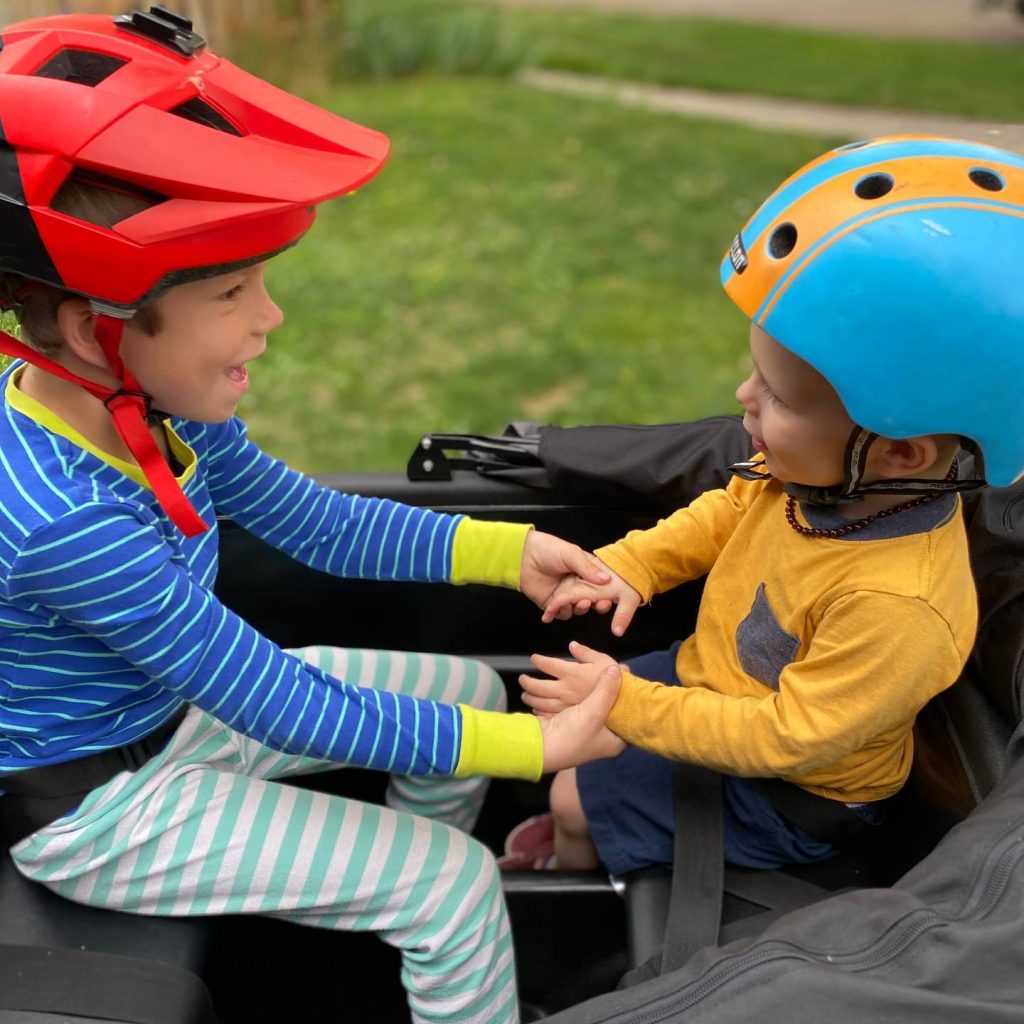
For families using cargo bikes to transport children, make sure they are safely strapped in. Many cargo bikes come with built-in harness systems for added security. Always check that the cargo area is clear of any obstructions, and ensure that it doesn’t interfere with your line of sight.
4. Ride Safely with Kids
Cargo bikes are increasingly popular among families, as they offer a safer and more comfortable way to transport children compared to regular bikes or car trips. The key to riding safely with children is ensuring that they are properly secured and that you can maintain control of the bike.
If you’re riding with kids, make sure to check that they are comfortably seated with a well-fitted harness. For younger children, look for a bike with a full-suspension system to ensure a smooth ride. As with any type of cargo, avoid placing heavy items or passengers in a way that could affect the bike’s balance or handling.
5. Navigating in the City
Cargo bikes are designed to be used in urban environments, making them perfect for short trips across town. In many places, cargo bikes have the same legal status as regular bicycles, which means you can ride them on bike paths, through bike lanes, and in most areas where conventional bikes are allowed.
That said, navigating busy city streets with a cargo bike requires some attention to detail. Take care when crossing intersections, especially with a larger bike like a long-john or tricycle. Remember that cargo bikes have a larger turning radius than normal bikes, so give yourself enough space to maneuver. Be mindful of your surroundings and keep an eye out for pedestrians, cars, and other cyclists.
6. Maintain Your Cargo Bike
Like any bike, a cargo bike needs regular maintenance to keep it in top condition. Pay close attention to the brakes, especially if you’re carrying heavy loads. Check the brake pads for wear and replace them when necessary. Also, check your tires for pressure and wear, and inspect the chain and drivetrain regularly. Keeping your bike clean and well-maintained will ensure that it lasts for years.
7. Secure Your Bike
Cargo bikes can be quite valuable, so it’s essential to take steps to protect your bike from theft. Always lock your bike to a solid, anchored object with a high-quality lock, ideally in a well-lit area. If you’re leaving your bike in a public space for an extended period, consider using additional security measures, such as a GPS tracker or a lockable cargo box.
Cargo bikes are more than just a trend—they are a practical, sustainable solution for everyday transport. Whether you’re using one to carry groceries, kids, or deliveries, understanding how to ride and care for your cargo bike will make your experience more enjoyable and safe. With a bit of practice, you’ll be zipping through city streets, enjoying the freedom of cargo cycling!
 Essential Tips on How to Ride Cargo Bike Safely and Efficiently