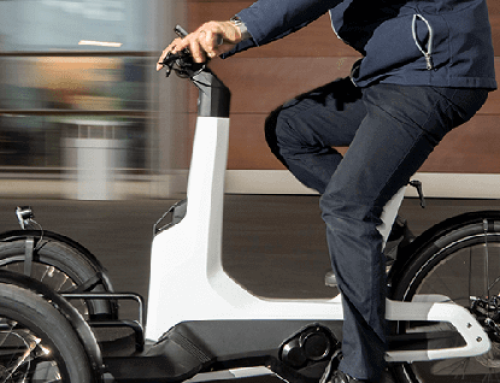
Cargo bikes are not just about transporting goods; they are a lifestyle choice that promotes sustainable living, adventure, and the joy of outdoor exploration. Whether you’re planning a long-distance cycling trip, commuting with heavy loads, or carrying children and pets, choosing the right cargo bike can make all the difference. In this guide, we’ll explore the different types of cargo bikes, how to choose the right size for your needs, and the considerations between leg-powered and electric power options.
Types of Cargo Bikes
Cargo bikes come in various forms, each tailored to different uses, terrains, and capacities. Understanding the key types will help you decide which one suits your lifestyle and cycling adventures.
Longtail/Midtail Cargo Bikes
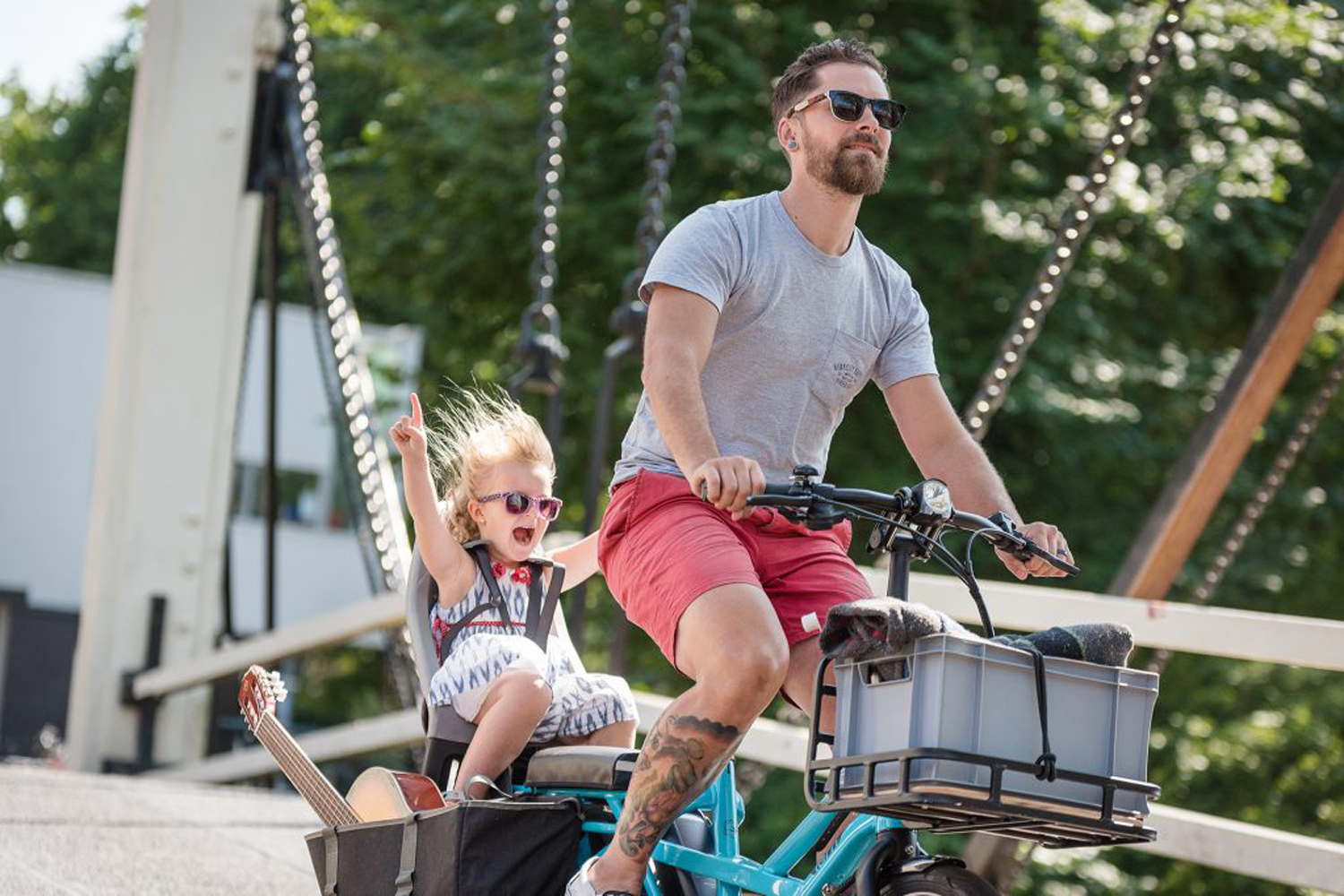
Longtail bikes are essentially elongated versions of regular bicycles, with a longer rear frame that offers extra space for cargo. These bikes are versatile and can carry everything from children and groceries to outdoor gear. The midtail version is a more compact design that offers a balance between traditional bikes and larger cargo bikes. Longtail bikes are perfect for urban environments, short-distance travel, and carrying light loads. They’re a great choice for those who need a cargo bike for daily errands or occasional weekend trips.
Cycle Trucks
Cycle trucks are equipped with a large front rack or cargo platform, positioned in front of the rider but separate from the front wheel. This design helps to keep the bike balanced while carrying heavy loads. They are ideal for carrying bulky items and offer excellent stability, especially with the small front wheel, which lowers the overall center of gravity. Cycle trucks are popular among those who need to haul large, heavy items in city settings or use them for deliveries.
Long John Bikes
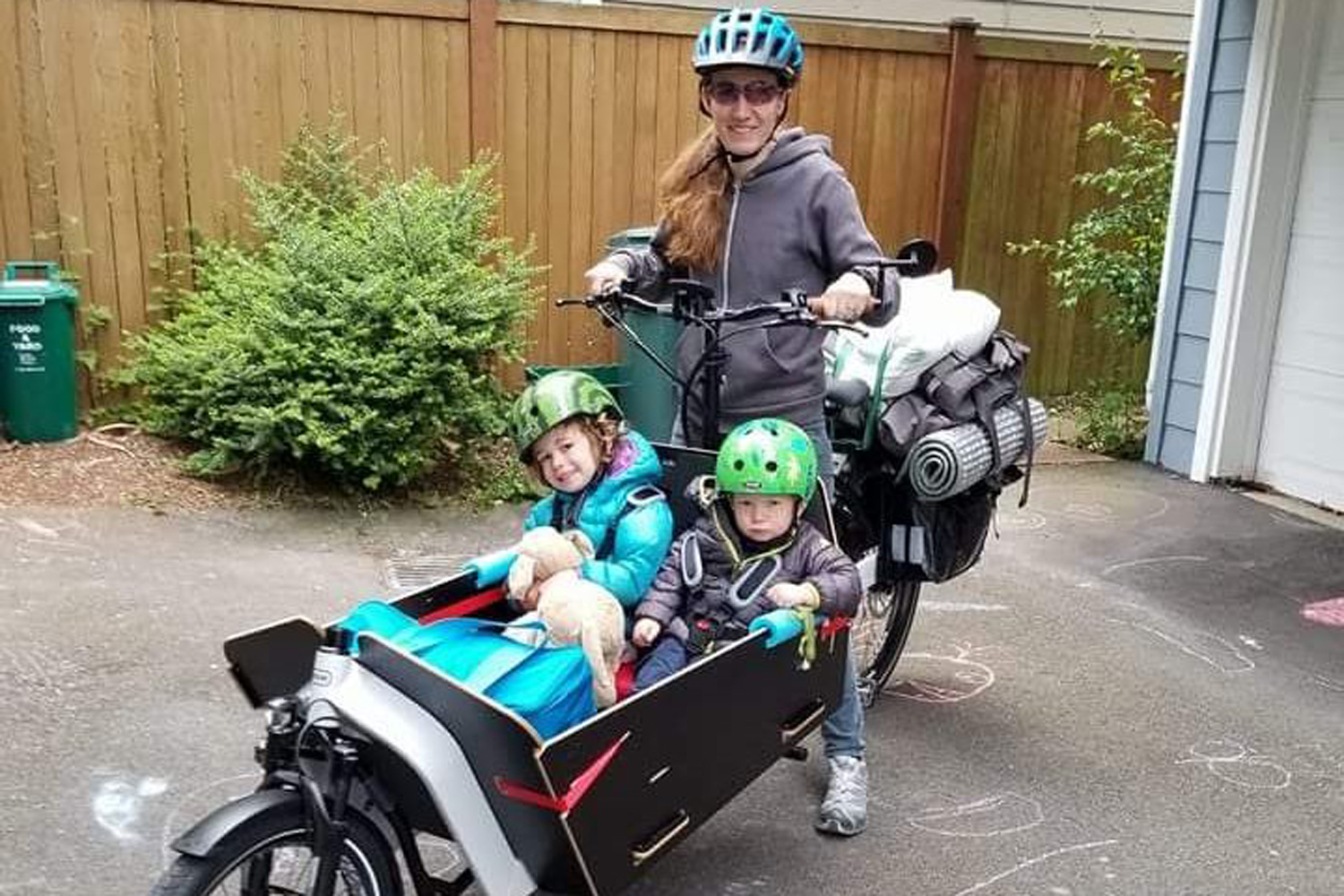
A Long John cargo bike features a unique low-slung cargo platform that sits in front of the rider, supported by a small front wheel. Originally designed in Denmark, these bikes are built to carry significant loads, often up to 100 kg or more. Long John bikes are particularly useful for urban cycling, offering plenty of space for heavy cargo while maintaining good maneuverability in tight spaces. They are a popular choice for parents transporting their children or those looking to replace their car for short trips.
Bakfiets (Box Bikes)
The Bakfiets, or box bike, features a large cargo box located at the front of the bike, often supported by three wheels. The spacious box can carry everything from children to large parcels, making these bikes incredibly useful for family transport and urban logistics. While they are excellent for carrying heavy or fragile items, the design does make them less suitable for long-distance bikepacking or rough terrain. Bakfiets bikes excel in city environments where cargo space is needed, and smooth, stable rides are the priority.
Why Choosing the Right Size Matters
When selecting a cargo bike, size is a crucial factor. Cargo bikes are available in a range of sizes, and the choice will depend on what you plan to carry, how often you’ll ride, and where you’ll store it.
Space for Cargo and Lifestyle Needs
If you only need to carry a small amount of gear or groceries, a midtail or longtail bike may offer all the space you need without taking up too much storage room. These bikes are compact enough to be stored in a garage or apartment while providing ample space for everyday cargo. On the other hand, if you’re planning to carry multiple children or large loads regularly, you might want to opt for a larger option like a Long John or Bakfiets bike. These bikes may require more storage space but offer significantly more cargo capacity.
Consider Portability
Think about how often you need to transport your bike. Will you need to take it on public transport or fit it into your car? Some cargo bikes, like cycle trucks, are designed with portability in mind and can fit into smaller spaces. Others, such as larger Bakfiets bikes, might be bulkier and harder to move around. Consider your typical use case and whether the size of the bike will be a barrier to its use.
Weight Considerations
Cargo bikes are generally heavier than standard bikes due to the additional frames and cargo areas. However, with added weight comes added capacity. Longtail bikes, for example, are light enough for regular cycling yet sturdy enough to carry heavy loads. Larger cargo bikes like the Bakfiets, while heavier, can haul significant weight, making them ideal for those who need to carry children or large packages. Be mindful of the weight of the bike itself and how that will affect your ride, particularly if you need to carry it up stairs or transport it by other means.
Leg-Power vs. Electric Power
One of the most important decisions when choosing a cargo bike is whether to go with a traditional, leg-powered model or an electric-assisted version. Both options have their advantages, and the choice largely depends on your specific needs and the terrain you plan to ride.
Leg-Powered Cargo Bikes
Leg-powered cargo bikes rely solely on the rider’s physical strength to propel the bike forward. These bikes are ideal for those who want a traditional cycling experience and enjoy the challenge of hauling heavy loads with their own power. They offer the most control over the ride, and because they don’t require batteries or motors, they are often lighter and simpler to maintain.
Leg-powered cargo bikes are great for shorter rides and those who enjoy a physical challenge. They also tend to be less expensive than their electric counterparts, making them more accessible for those on a budget. However, they do require more effort, particularly when carrying heavy loads or traveling up steep hills.
Electric-Powered Cargo Bikes
Electric-assisted cargo bikes are becoming increasingly popular, especially among those who want to carry heavy loads over long distances without straining their muscles. These bikes are equipped with a motor that provides pedal assist, making it easier to tackle hills, headwinds, and long rides. The motor helps to reduce the physical strain of cycling, which is particularly useful when transporting children, groceries, or other heavy cargo.
Electric-powered cargo bikes are ideal for those who plan to use their bikes for long-distance travel or who need extra help with heavy cargo. They are also a great option for people who live in hilly areas, as the motor can provide a significant boost when going uphill. While they are generally more expensive than leg-powered bikes and require maintenance of the motor and battery, the added convenience and ease of riding can make them well worth the investment.
Cargo bikes offer an incredibly versatile and sustainable transportation option, whether for daily commuting, bikepacking, or family adventures. Understanding the different types of cargo bikes and their features is essential when selecting the right one for your needs. Additionally, considering factors such as size, portability, and power options will help you make an informed decision. Whether you choose a leg-powered or electric-powered model, a cargo bike can open up new possibilities for exploration, adventure, and everyday life.