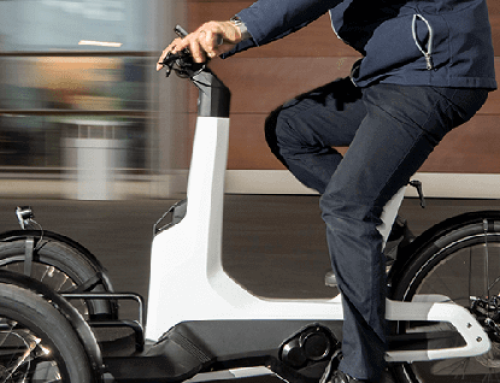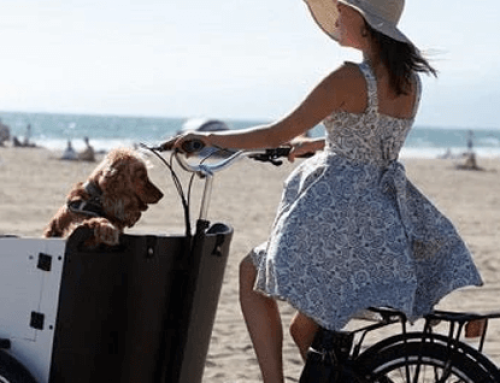
Cargo bikes are becoming an increasingly popular option for transporting children, groceries, or even pets, all while enjoying the benefits of cycling. These bikes are designed specifically for carrying larger loads compared to traditional bikes, and with the added benefit of electric assistance, they’re suitable for riders of all experience levels. However, as winter approaches, it’s important to adjust both your bike setup and riding habits to ensure safety, comfort, and efficiency. In this article, we’ll explore the different types of cargo bikes, their advantages, and offer essential tips for winter riding.
What Is a Cargo Bike?
A cargo bike is a bicycle designed with an extended frame or additional storage space to carry large loads. Unlike regular bikes, which are typically built for just the rider, cargo bikes provide ample room for transporting children, heavy parcels, or even groceries. There are several types of cargo bikes, each catering to different needs, making it crucial to choose the right one based on the load you plan to carry, your stability needs, and the terrain you’ll be navigating.
Types of Cargo Bikes and Their Advantages
Cargo bikes come in several models, each offering unique benefits depending on your lifestyle and specific needs.
1. Long-tail Cargo Bikes
Long-tail cargo bikes are characterized by their extended rear rack. This additional space is perfect for carrying up to two child seats or large boxes. These bikes maintain a riding experience similar to that of a traditional bicycle, which makes them a great option for those who are already familiar with standard cycling. While long-tail bikes are great for carrying children, they require the rider to balance the load, making them slightly less stable at a standstill than tricycles. These bikes are ideal for city commutes, where you need a functional solution for both cargo and family transport.
2. Long John (Cycle Trucks)
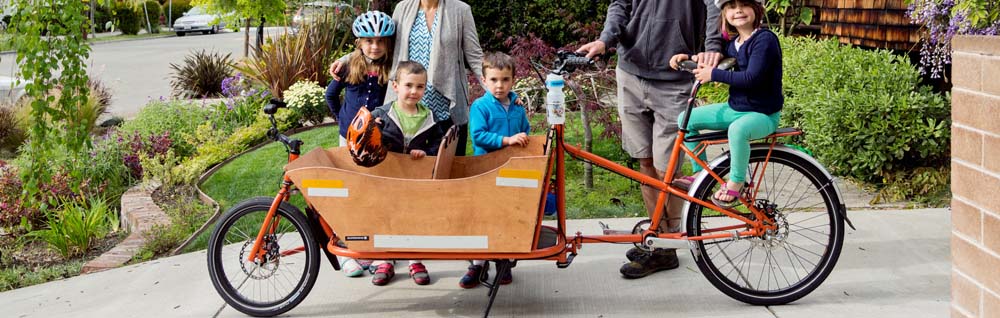
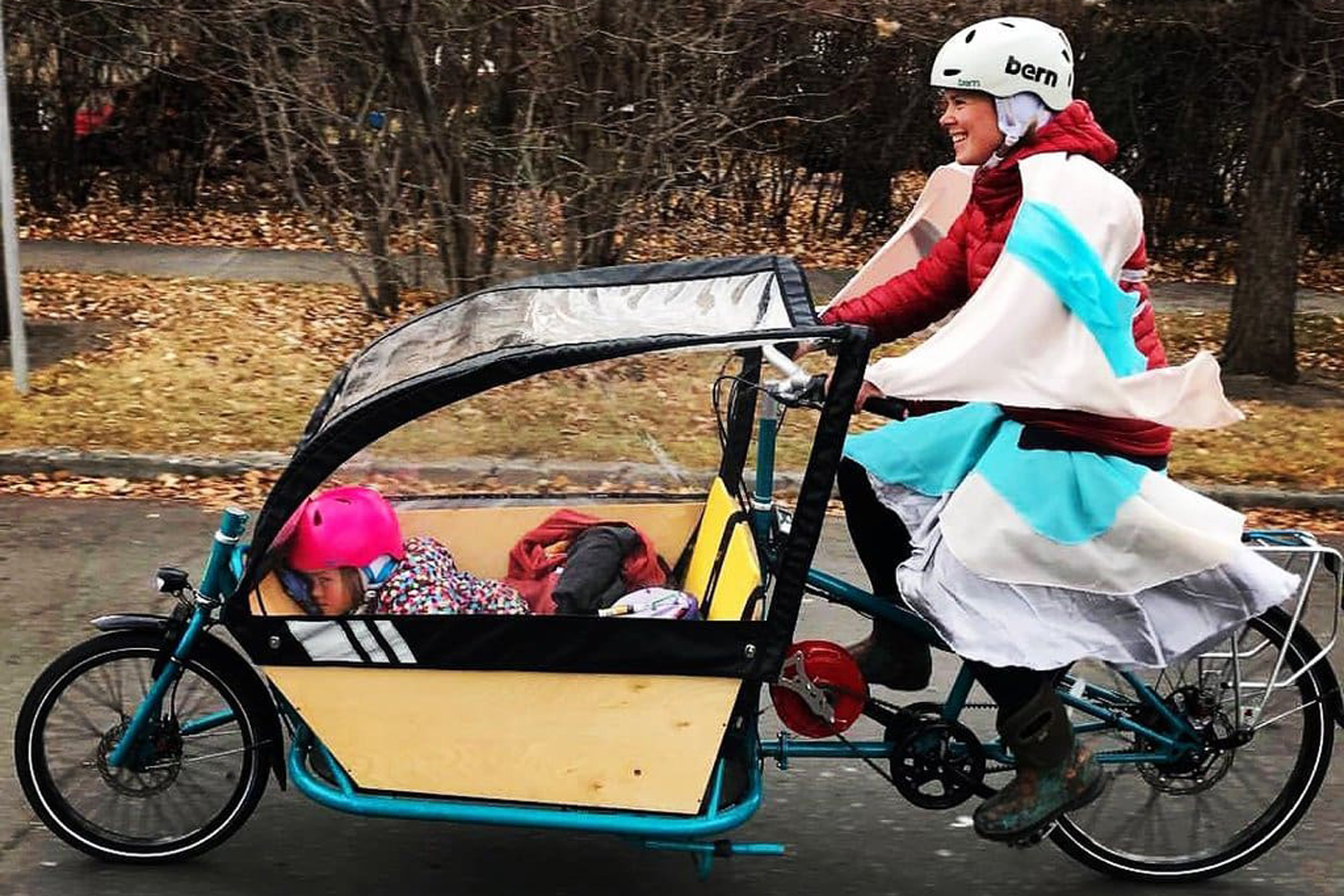
Long John cargo bikes feature a unique design, with the cargo space located between the handlebar and the front wheel. This position allows the rider to easily monitor the cargo, which is particularly useful when carrying children. Long John bikes can carry substantial loads and, in some cases, can accommodate up to four kids, making them a fantastic choice for larger families. However, due to their bulky design, they may require more space for storage and parking, making them less ideal for those in tight spaces or urban environments with limited room.
3. Tricycles
Tricycles, or three-wheel cargo bikes, are perfect for those who prioritize stability. There are two main configurations: one with two back wheels (e.g., a trike) and another with two front wheels. Tricycles provide excellent balance, which is especially helpful when navigating slippery surfaces or in areas prone to icy conditions. Tricycles are a great option for riders who may have stability concerns, as they offer better support than standard two-wheel cargo bikes.
For example, front-wheel trikes, like those with tilting wheel systems, are great for skilled riders who are used to regular cycling but require extra stability in inclement weather. However, this type of bike requires a bit more attention when handling in harsh winter conditions due to its dynamic design.
4. Electric Cargo Bikes
Many modern cargo bikes are equipped with electric assistance, making them easier to ride over long distances or on hilly terrain. Electric cargo bikes are particularly useful in winter when the cold air and slippery roads make pedaling more difficult. The motor assists the rider in maintaining a steady pace, even when carrying heavy loads or navigating challenging landscapes. Electric cargo bikes offer a significant advantage in winter, as they make the riding experience much smoother and less physically demanding.
Winter Cargo Bike Riding Tips
Riding a cargo bike in winter can be a great way to stay active and reduce your reliance on cars, but it requires some preparation. Here are a few essential tips to keep you safe, warm, and comfortable while cycling through the colder months.
1. Winter-Ready Tires
One of the most important upgrades for winter riding is switching to winter-specific tires. These tires are wider, have more tread, and are made from rubber compounds designed to remain flexible in low temperatures. They provide better grip on icy or snowy roads, reducing the chances of slipping. Look for puncture-resistant tires that will perform well in wet conditions.
2. Dress in Layers
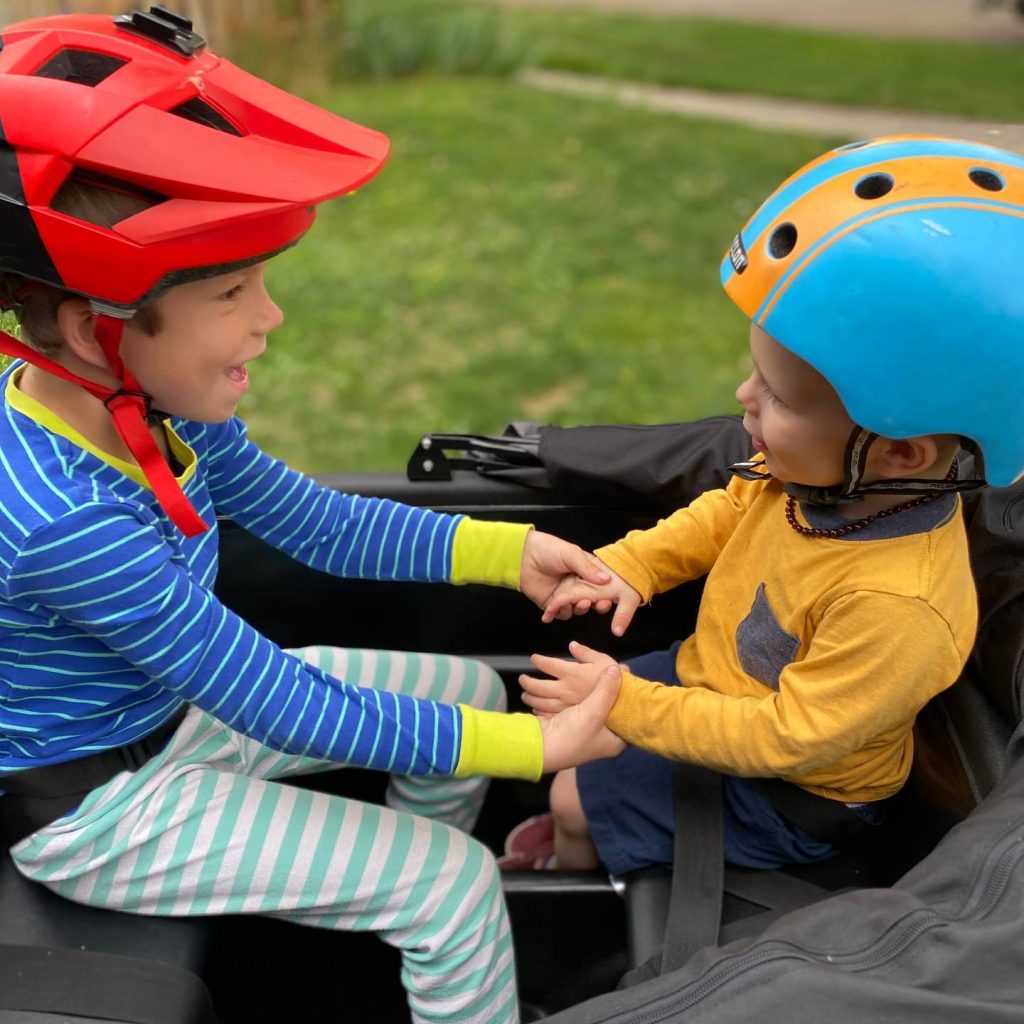
When cycling in winter, dressing appropriately is key to maintaining comfort. Start with a moisture-wicking base layer to keep sweat away from your skin. Add an insulating layer such as fleece or wool, and finish with a waterproof, windproof outer layer. Don’t forget to wear thermal gloves, socks, and a warm hat. For children riding in the cargo space, make sure they are bundled up in warm clothing, and consider using blankets or waterproof covers to protect them from the elements.
3. Install Fenders and Mudguards
Winter roads can be muddy, slushy, and wet, so installing fenders or mudguards is crucial for protecting both you and your bike. These accessories will prevent mud, snow, and water from splashing up and making your ride uncomfortable or unsafe.
4. Check Your Brakes
Braking is critical, especially when cycling in winter. Ensure your bike’s brakes are in excellent condition, as wet and icy conditions can significantly affect braking performance. Many cargo bikes come with hydraulic disc brakes, which are more effective in adverse weather compared to traditional rim brakes. Always test your brakes before heading out and make sure they are responsive and smooth.
5. Ensure Good Visibility
Winter days are shorter, and poor weather conditions can make it harder for motorists and other cyclists to see you. Always ride with front and rear lights, and wear bright or reflective clothing. It’s essential to be visible, even during daylight, to stay safe in low-light conditions.
6. Battery Care for Electric Cargo Bikes
Cold temperatures can significantly affect the performance of electric bike batteries. Make sure to store the battery in a warm place when not in use, and consider using a battery cover to protect it from the cold while riding. If you’re planning to ride for an extended period, make sure your battery is fully charged before setting off.
7. Slow Down and Be Cautious
Winter conditions require a more cautious approach to riding. Always reduce your speed on wet or icy roads, and avoid sudden movements. Allow extra time for braking and be mindful of potential hazards such as ice patches, snowdrifts, or wet leaves.
Conclusion
Cargo bikes are an excellent choice for families and individuals looking to transport goods or children while reducing their reliance on cars. Whether you choose a long-tail, long John, or tricycle model, each type of cargo bike offers unique advantages depending on your specific needs. When riding during the winter months, it’s essential to take extra precautions to ensure your safety and comfort. By following these winter riding tips and properly preparing your bike, you can continue to enjoy the benefits of cargo biking all year long. Stay safe, stay warm, and enjoy the ride!
 Cargo Bike Advantages of Different Models and Winter Riding Tips